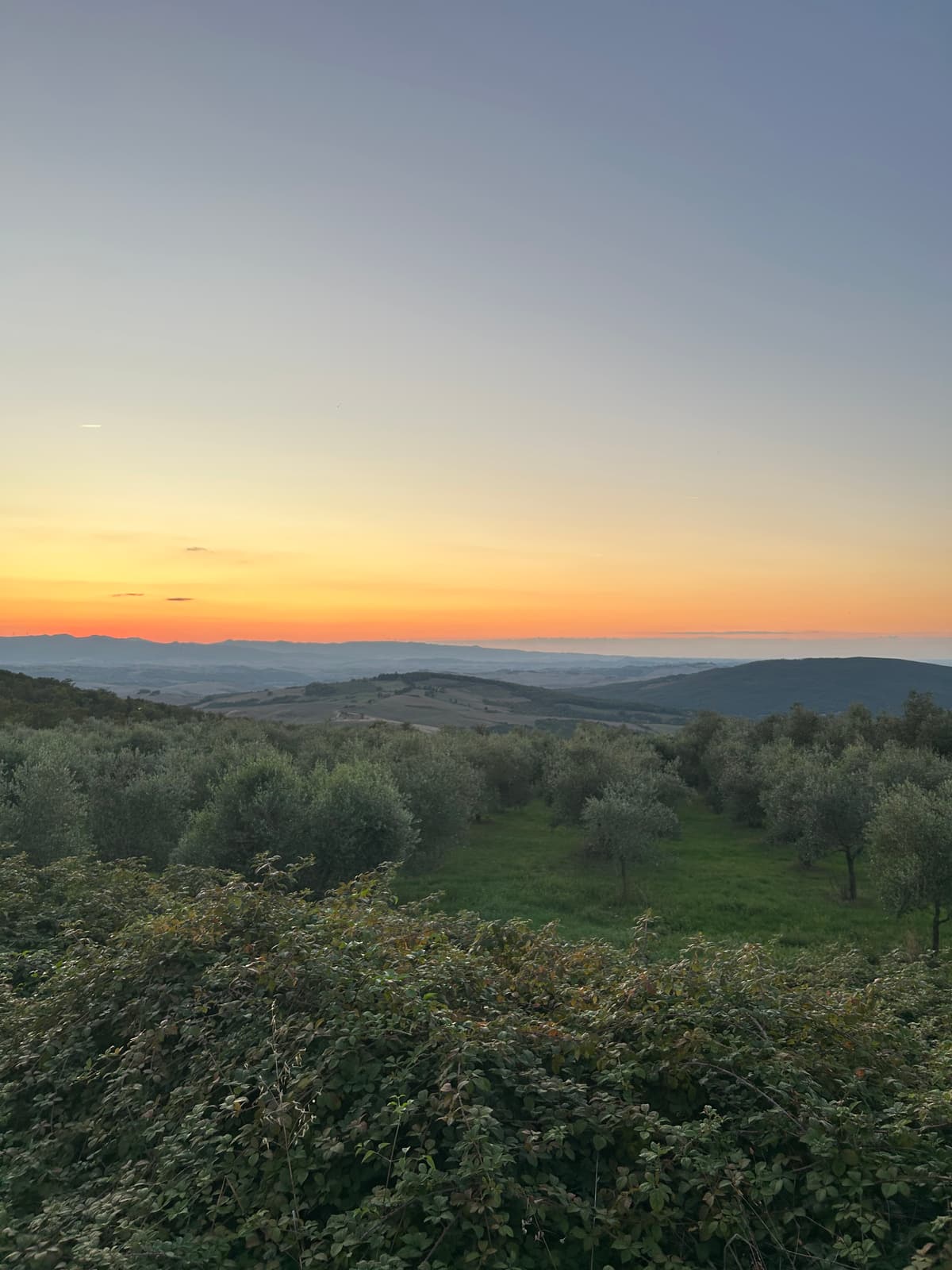
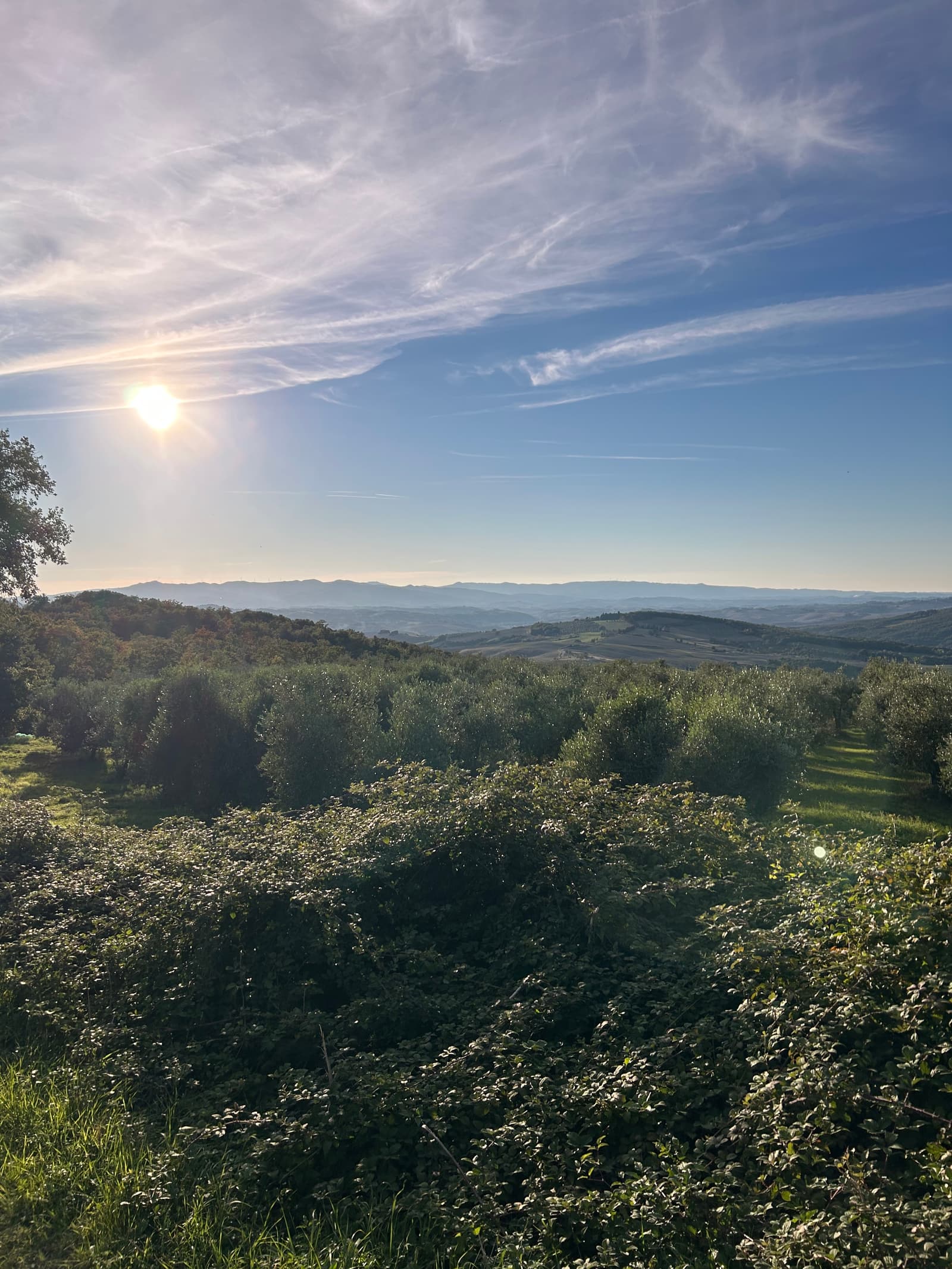
Sunset over the olive rows and the hills beyond

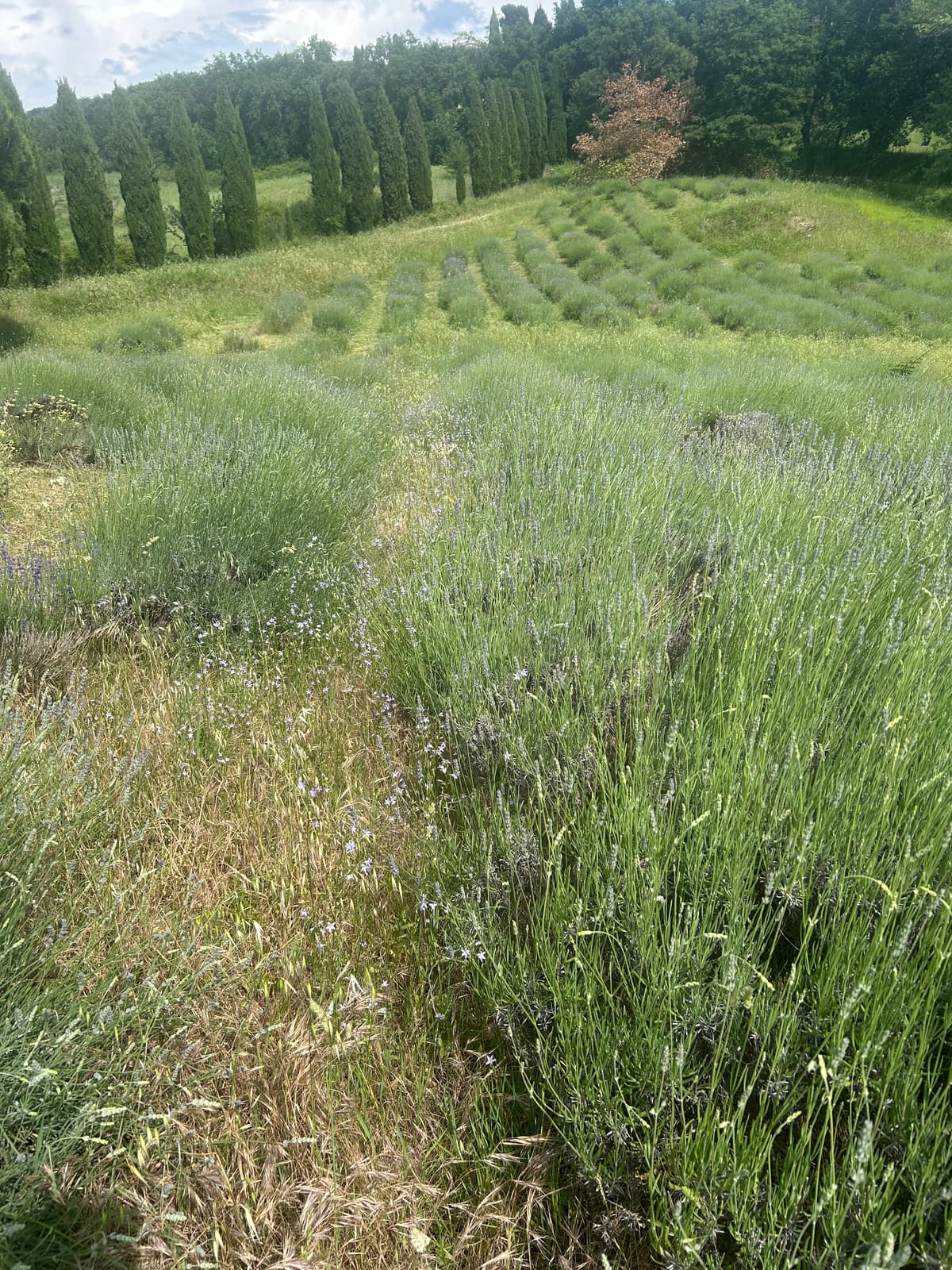
Val d'Elsa · Tuscany

Oil from 340 trees we know by heart.

We're first-generation growers in the hills between Florence and Siena. We prune, pick and cold-press ourselves, in small batches, and ship straight from the grove — no middlemen, no blends, nothing we can't show you.

  • 43.5° N · 10.9° E — Val d'Elsa, between San Gimignano and Volterra
  • ~340 olive trees · 1 lavender field
  • ~400 m above sea level
  • Harvest: October–November
  • Cold-extracted below 27 °C

The story

Real dirt under the nails, and a grove that answers for us.

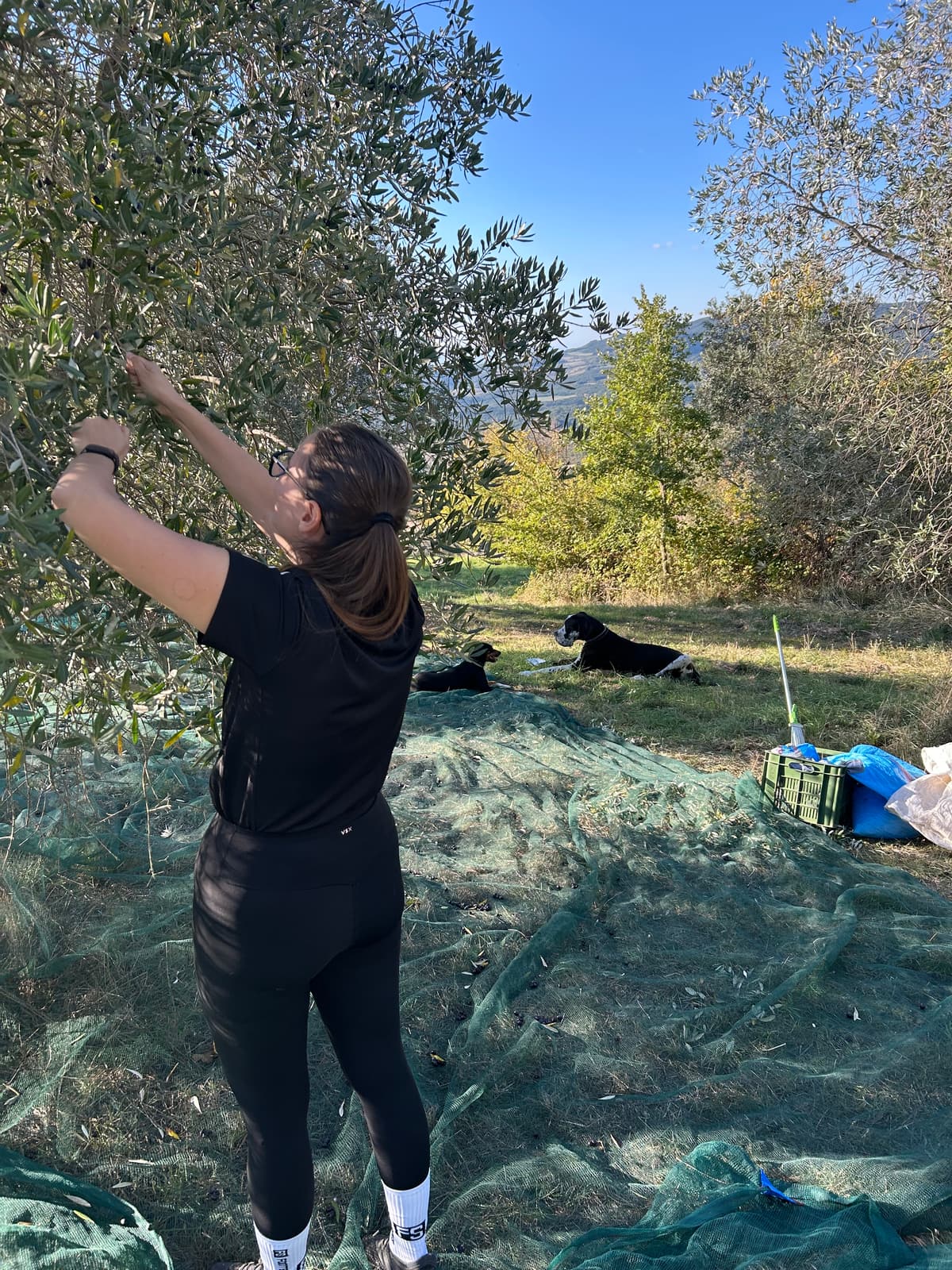
Picking by hand into the nets, the dogs waiting in the shade

We didn't inherit an estate. We're planting one.

Most Tuscan oil brands lead with a century of family history. We can't — and we won't pretend to. We're first-generation growers who took on a working grove of around 340 trees and a lavender field in Volterra, and we do the pruning, picking and pressing with our own hands. What we lack in dusty portraits we make up for in knowing exactly what happened to every tin, because we were there for all of it.

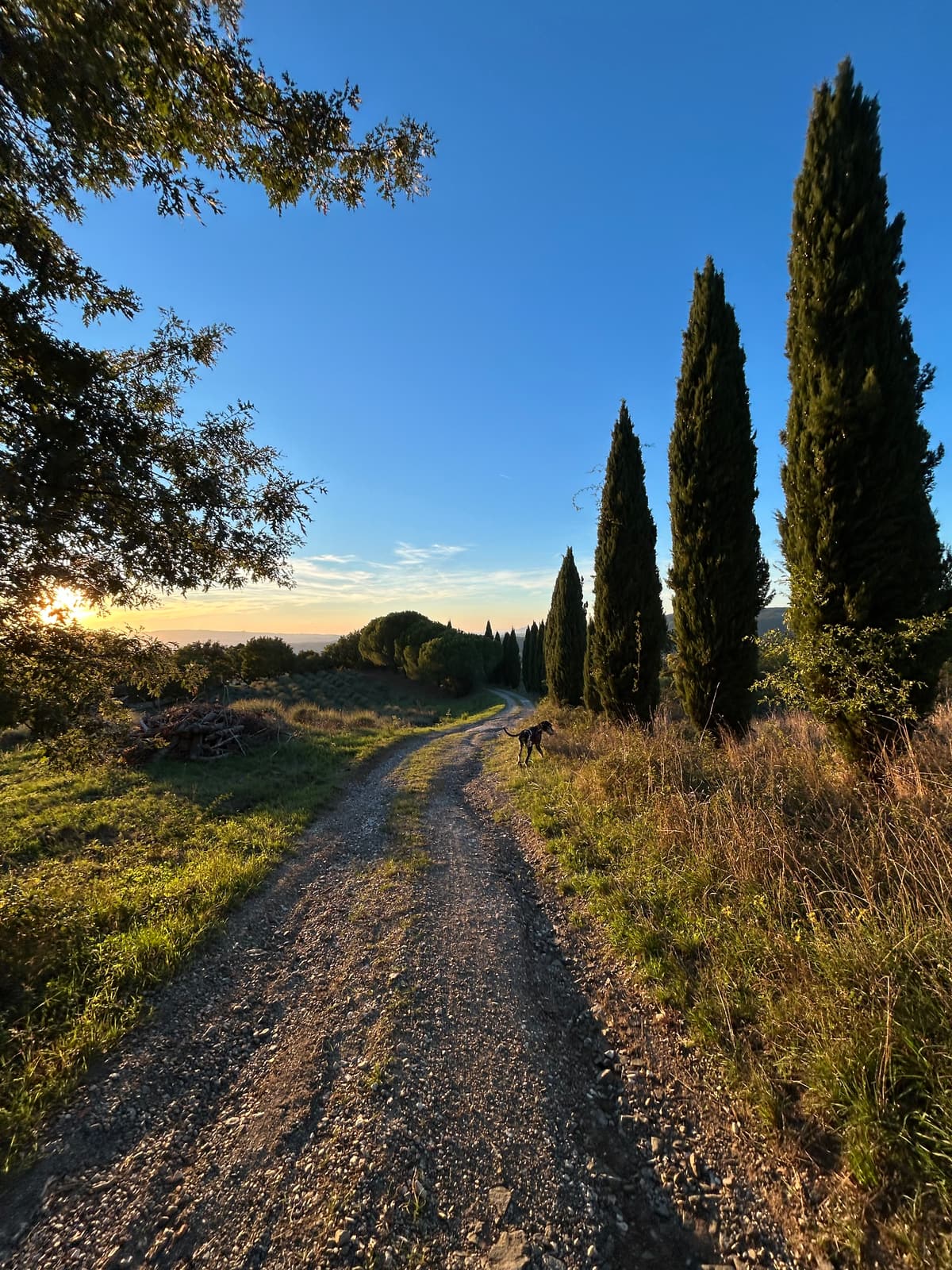
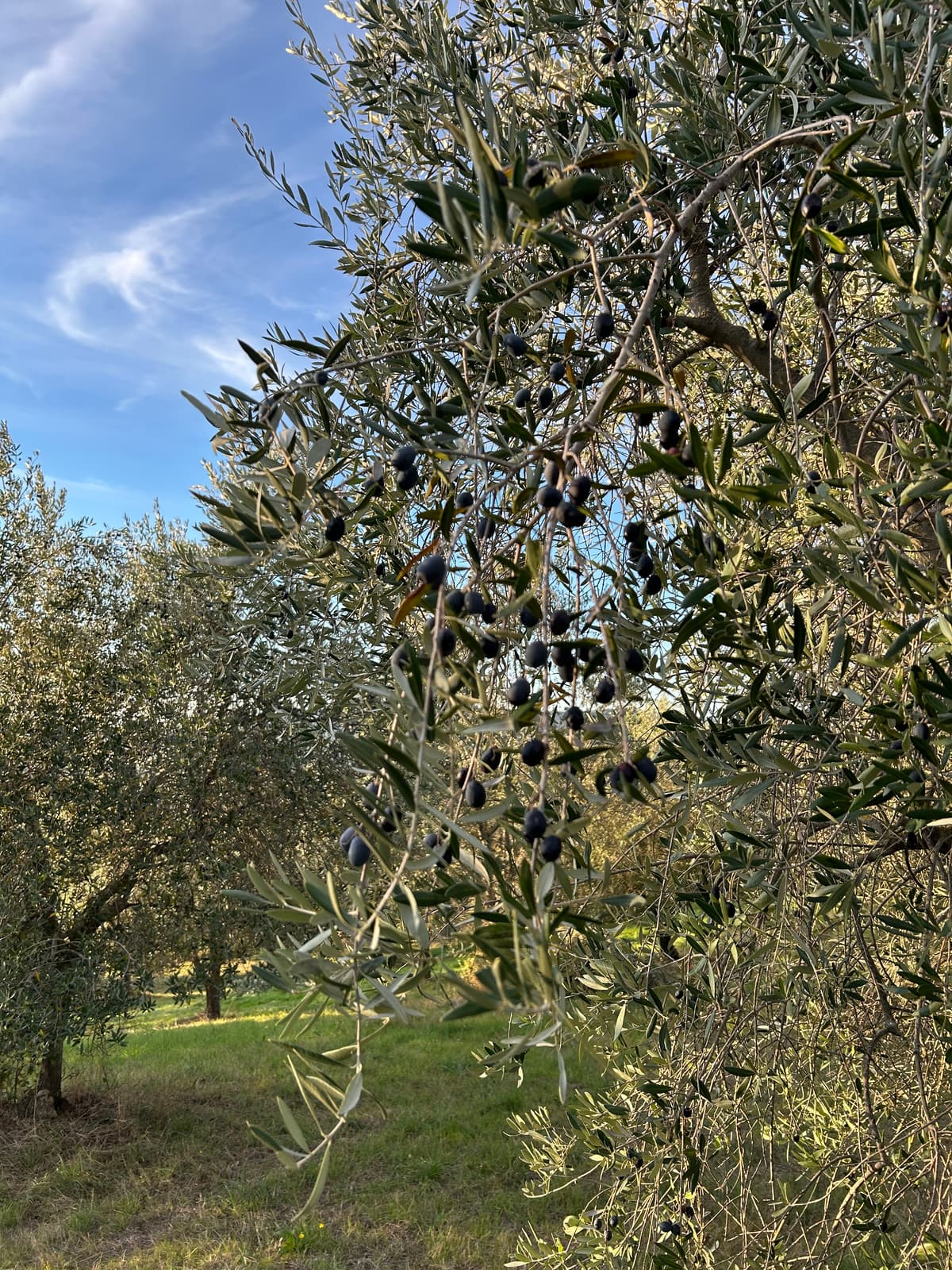
The grove looking out over the Val d'Elsa

The Val d'Elsa does the slow work.

The grove sits at roughly 400 metres in the hills between Florence, Siena and San Gimignano. Hot, dry summers concentrate the fruit; cool autumn nights keep acidity low and aromas sharp. We pick in October and November, once most of the fruit has turned — and every crate reaches the mill the same day it leaves the tree.

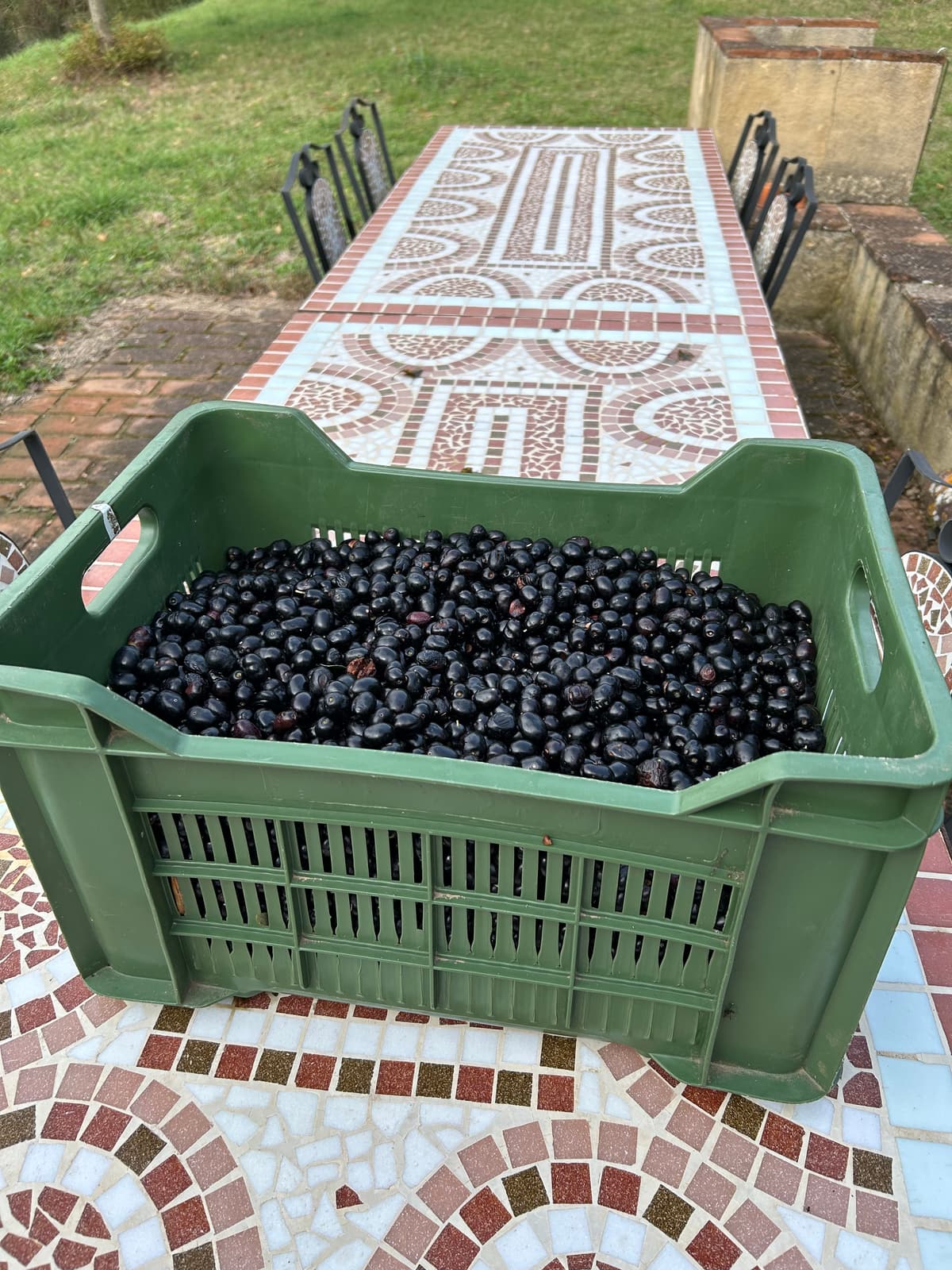
A ventilated crate of the day's olives, picked

Low intervention, high attention.

We farm without synthetic pesticides and feed the soil instead of forcing the trees. Harvest is by hand and small rakes into ventilated crates, never off the ground. Every crate goes to the frantoio the same day it is picked and is cold-extracted below 27 °C — the shorter that journey, the cleaner the oil. The lavender and cypress go into small steam stills the same way: unhurried, in batches we can watch.

Grove to tin

Four steps. All of them ours.

  1. Harvest

    October and November, by hand and small rakes into ventilated crates, once most of the fruit has turned. Nothing picked off the ground, ever.

  2. Press & distill

    Every crate reaches the frantoio the same day it is picked and is cold-extracted below 27 °C. Lavender and cypress are steam-distilled in small batches.

  3. Fill

    Rested, racked and filled into tins and dark glass at Frantoio Sanminiatese, a small family mill near San Miniato. Every batch carries its harvest year.

  4. Ship

    From our store room straight to your door, anywhere in the EU. No warehouses in between.

Harvest 2026 · Sector A

Tree to tin in a day

Our own photographs from this November: picked ripe, at the mill the same day, cold-extracted below 27 °C.

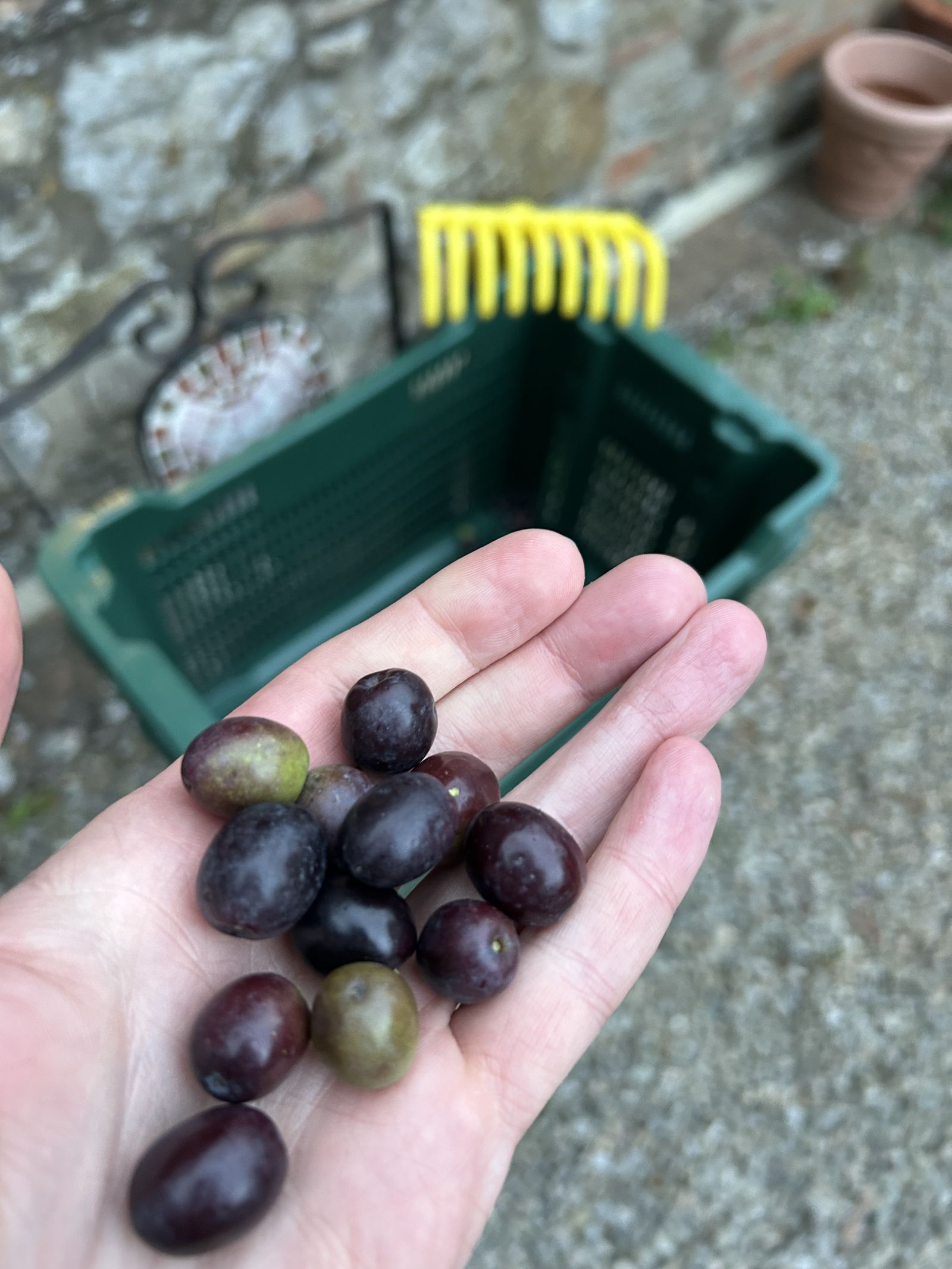
  1. A handful of ripe olives, most of them turned black

    01

    Picked when most of the fruit has turned black

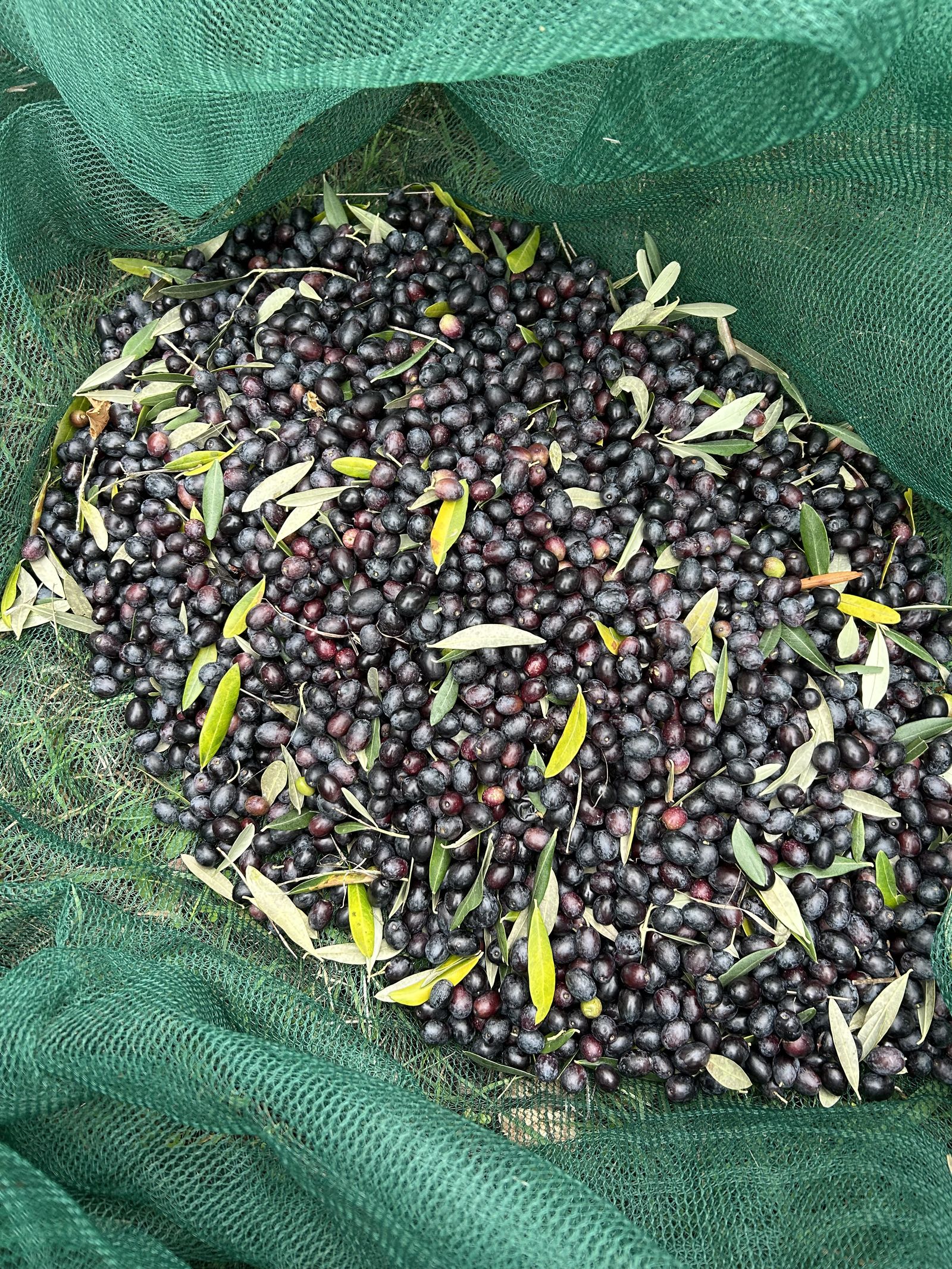
  2. The day's picking gathered in the net

    02

    By hand and small rakes, onto nets, never off the ground

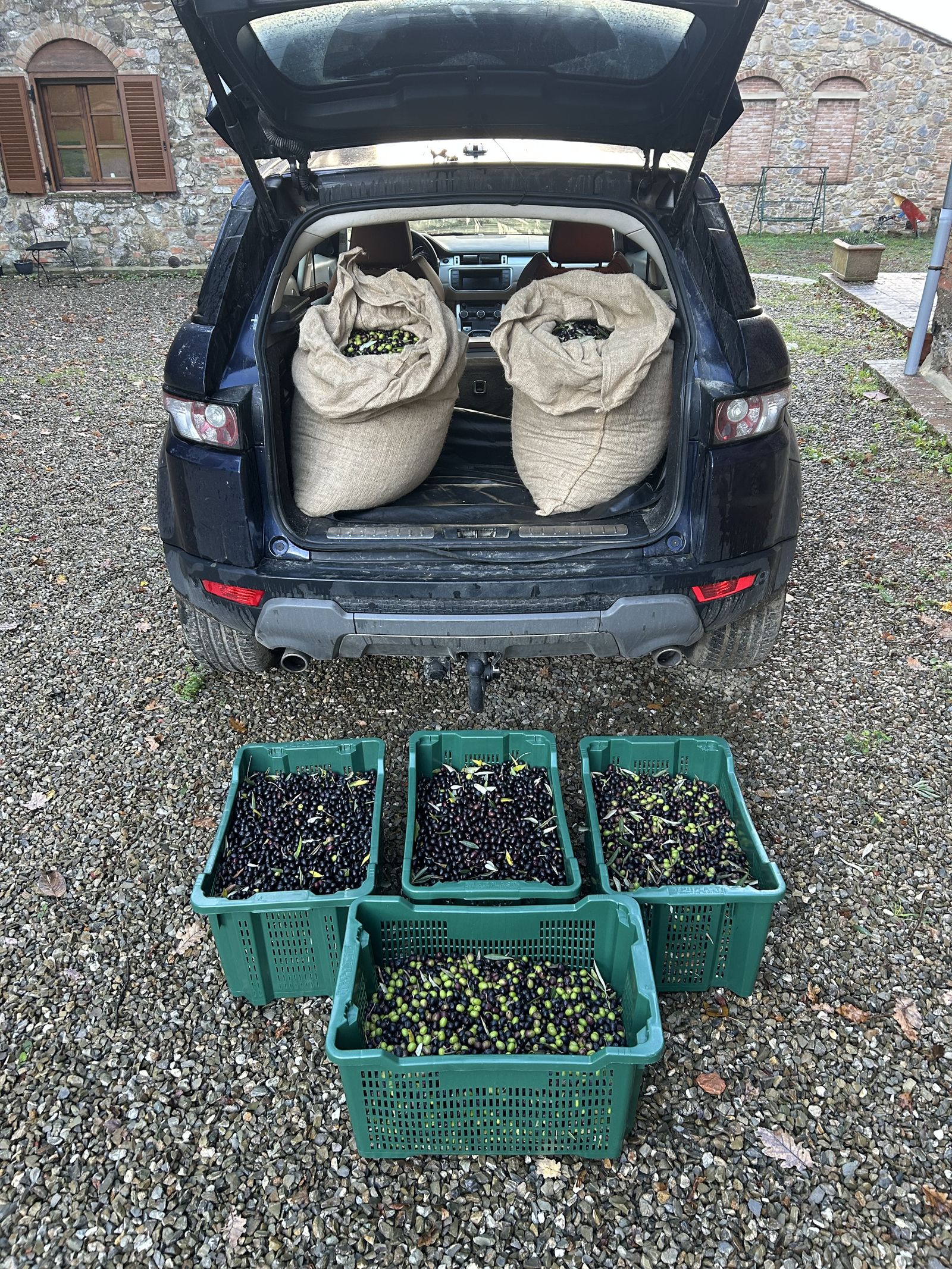
  3. The last of Sector A loaded for the mill in crates and jute sacks

    03

    Loaded in crates and jute sacks the same morning

  4. 04

    Into the hopper at Frantoio Sanminiatese

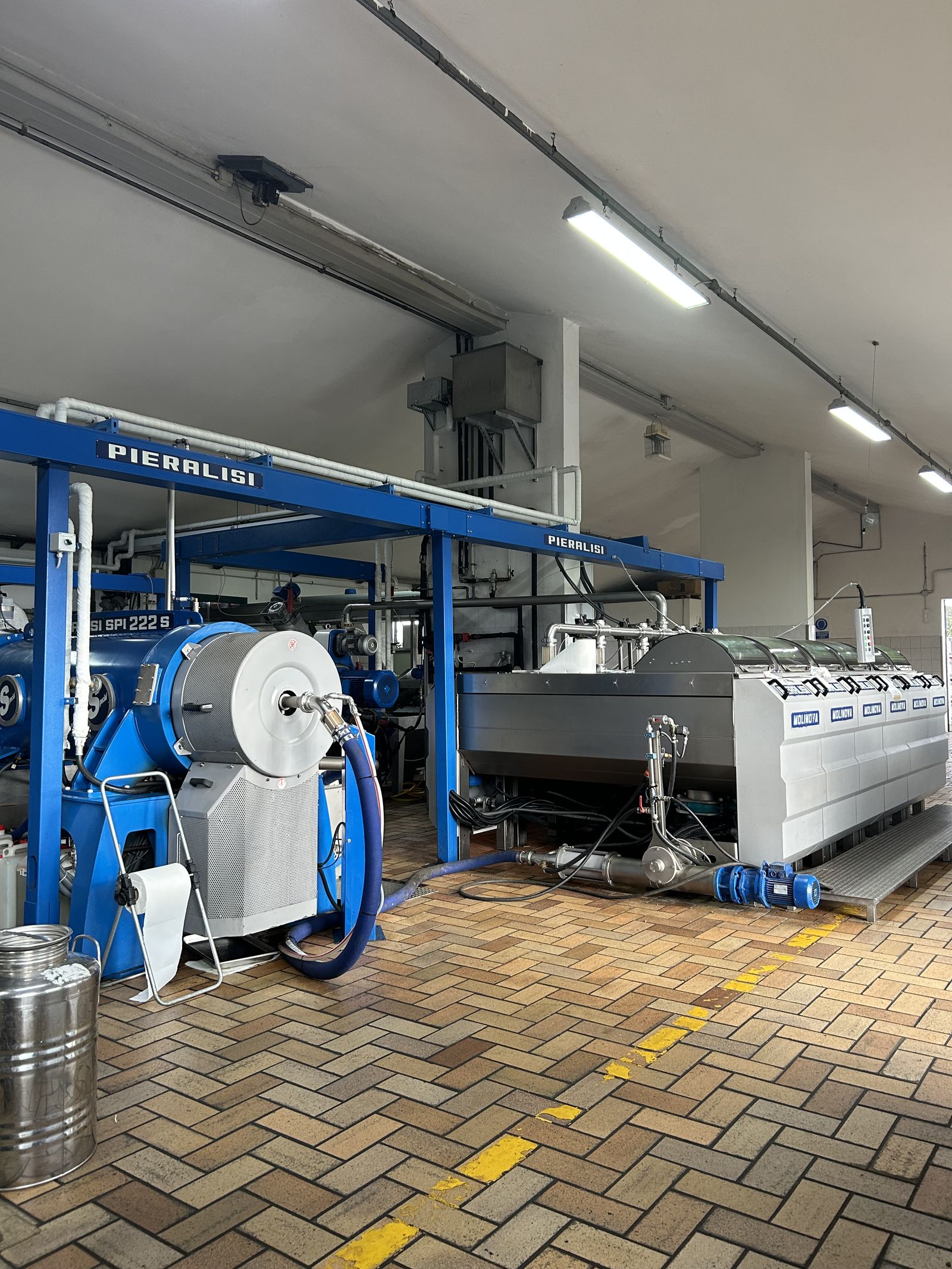
  5. Inside Frantoio Sanminiatese: the malaxers and decanter that made our oil

    05

    Crushed, stirred and spun below 27 °C

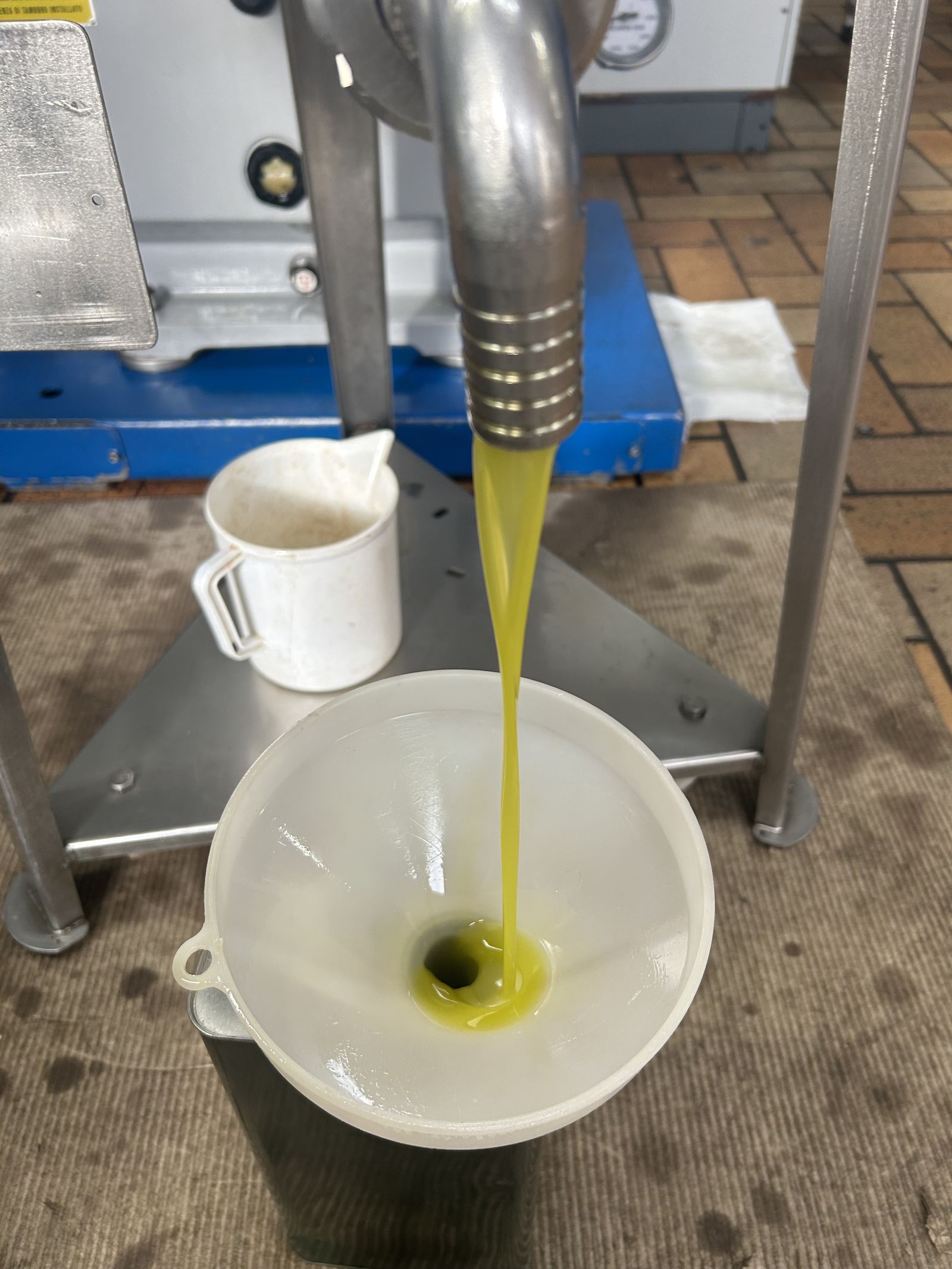
  6. Our new oil running green from the separator into a funnel

    06

    The first green oil from Sector A

Read the harvest diary

Two pressings

One early, one at full ripeness

Early batch ▾Main batch ▾
GreenTurningVioletBlack
Signora Lucia (A-02-01), sector A at Podere La Verina, photographed

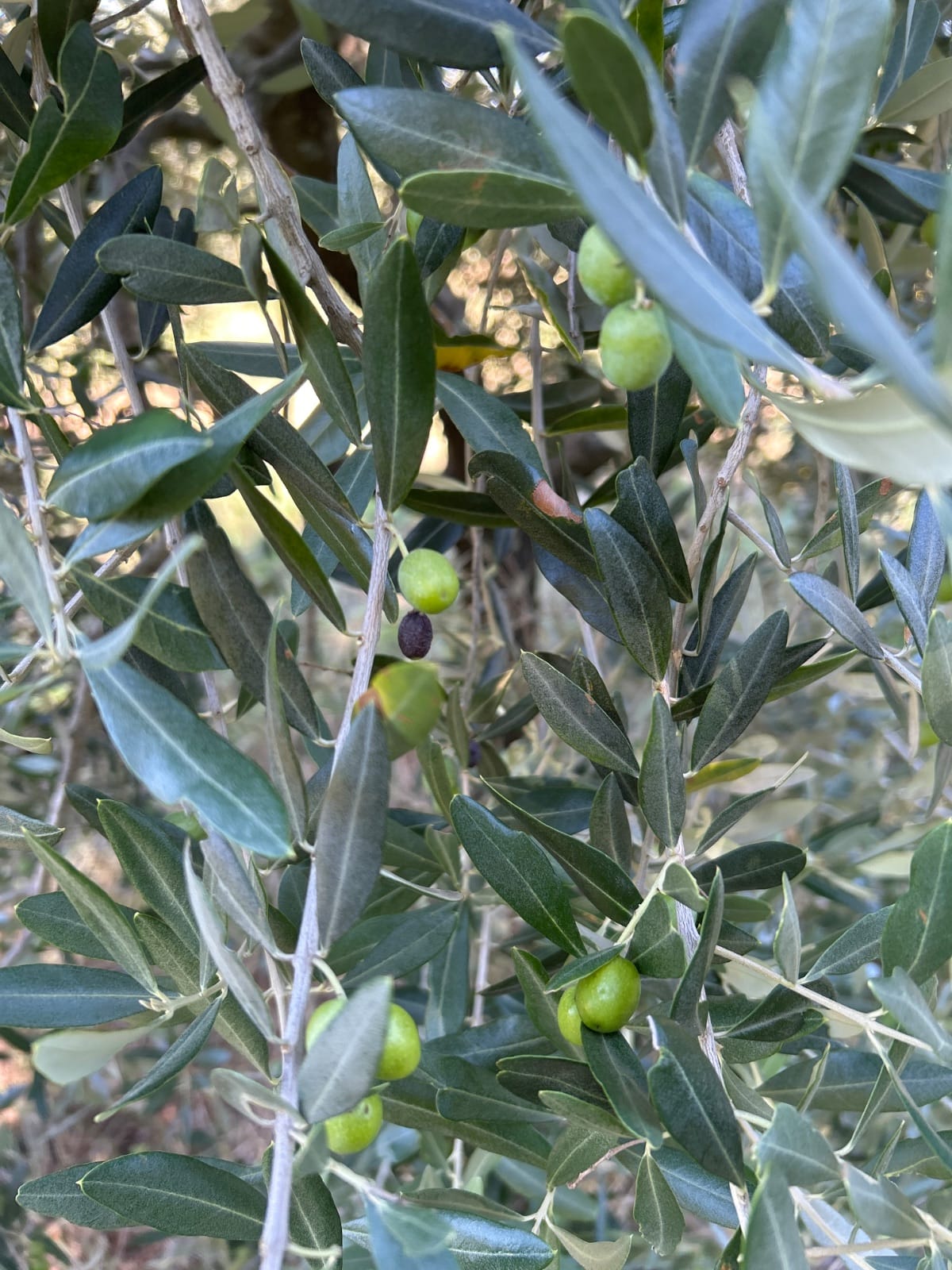
Most olives still green

Early batch

A small first picking while most of the fruit is still green. Each crate gives fewer litres, and green olives hold more polyphenols, the compounds behind bitterness and pepper: a grassier, more bitter, more peppery oil.
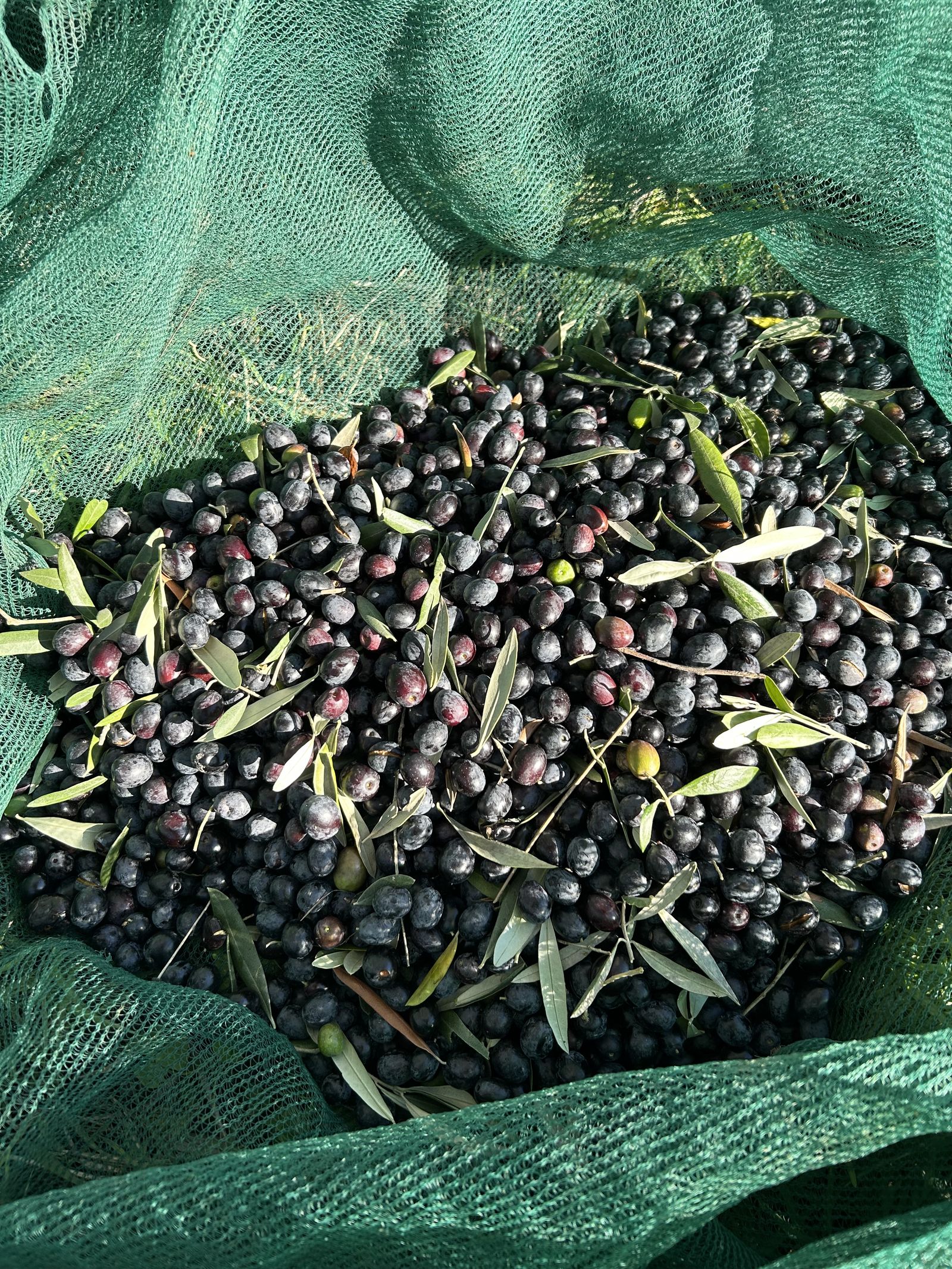
A net gathered up full of ripe black olives

Most olives turned dark

Main batch · our signature

The bulk of the harvest, picked at full ripeness. Smooth and round, with ripe fruit, sweet almond and a gentle peppery finish. Classico and the four flavoured oils are made from it.

When each batch is picked depends on the weather and on how the olives ripen, so it moves every year. Both go to the mill the day they are picked and are extracted below 27 °C.

The oils

Three oils, one hillside.

Nothing to hide

What we can show you.

Where

Volterra, province of Pisa. The grove sits at roughly 400 metres in the Val d'Elsa — you're welcome to visit and count the trees.

When

Every tin carries its harvest year. We never blend across years or buy in fruit from other groves.

How

Cold-extraction below 27 °C keeps polyphenols and aroma intact. It yields less oil — and better oil. That trade is the whole point.

Farmed without synthetic pesticides.

The harvest list

First pressing, first to know.

One email when preorders open, one when the new oil ships. That's the whole newsletter.

Double opt-in: we send a confirmation link first, and you're only subscribed once you click it. Unsubscribe anytime.